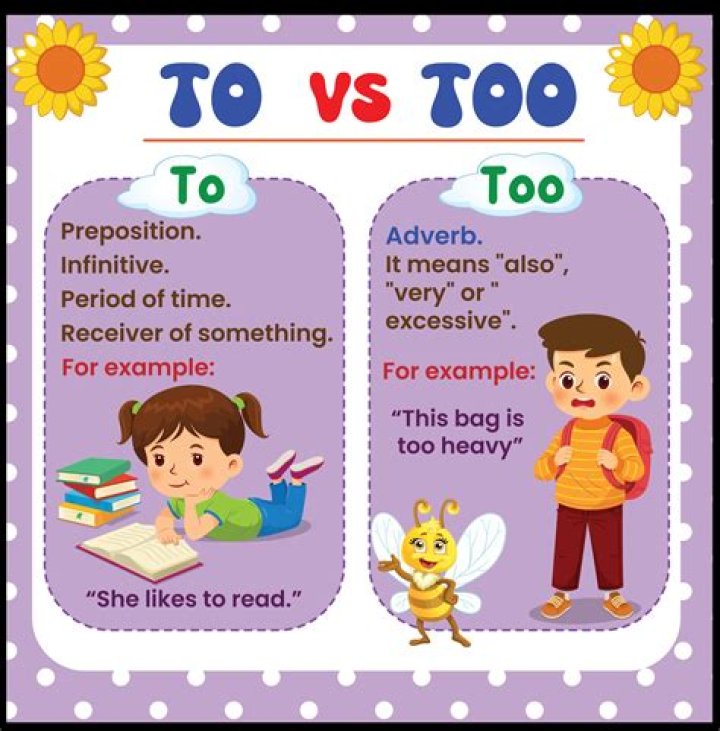
Also. Deux is a preposition with multiple meanings, including against and sometimes. Too much is an adverb that can be exaggerated or even mean. To be clear, two is pronounced as before and before, but cannot be used in place of one because it is a number.
So we can also ask ourselves, is it love or not?
Two is a preposition with many meanings, including courage and sometimes. Too much is an adverb that can be exaggerated or even mean. To be clear, two is pronounced as before and before, but it cannot be used in place of one because it is a number.
Also, how do you say I'd like it?
I would like
I'm happy. esp.
I like this idea. esp.
id as .exp.
I would appreciate it. esp.
I would like. esp.
I want the es.
You are welcome. esp.
You are welcome. esp.
What I want to say?1. I said you want to do what someone suggested Come on, join the party.
What can I say instead of doing it?
I would like
If I want that. esp.
I would like. esp. , Indeed.
If I want that. esp.
If I want that. esp.
I go. esp.
I would like. esp.
I choose. esp.
I prefer. esp.
Is it too bad or too bad?
If you have a tendency to say that something is unfortunate or so bad that you can't use it, you can apologize. This is the most common way it is used. For example, you can tell someone who didn't get the job, Sin, I hope you get the job next time.
Is it too soon or too soon?
To me, too soon means at a moment before a reasonable moment and too soon means after too short a time interval for a certain time (or an equivalent time interval that is too long before / at a certain moment).
How do you also use it in a sentence?
Also allows you to change or underline a word. For example: there is too much (too hot), I ate too much (too much) or the package is too (too / extra) big.
Is it too late or too late?
too late. When an action or event is delayed, it is unnecessary or ineffective because it occurs after the best time to do it. It was too late to turn back.
What is it for you too?
Them and the like here have different meanings depending on the context, but appear primarily in conversational or spoken English to satisfy a wish or to confirm an experience. When you follow a dot or exclamation point, it is also used in response to some general wishes.
How do you use it too?
The fundamental difference is that two is a preposition and indicates a direction. Too is an adverb and means in addition or also. Two is very versatile and can be used in many situations. It is generally used to indicate a direction or destination.
Can you end a sentence with TWO?
Prepositions, a sentence ends with. End a sentence with a preposition, sometimes allowed in English.
Is that what I wanted or had?
The contraction ID can mean if I wanted or if I had. If you can't understand the meaning of Id (or heather, barn, poison, etc.
), try looking at the following verb form in the context of a sentence: it would just follow the infinitive (infinity without)
How does it work?
Do you use a lot in a sentence?
A farmer talks to someone who has asked for permission to cross the country about him: Yes, that's fine, but I really have to do it if you want to close the doors behind you. When I told a friend about an accident, I felt very indebted to the policeman who helped me get the car back on the road.
When a guy says you're awesome, what does that mean?
It means he loves you. It's a compliment, he really loves you, at least as a friend, and he probably loves you a lot more than a friend.
What is the difference between will and will?
Will and will are verbs that can be used in different ways. Will can be a verb in the present tense, which means that something happens through the power of desire. It can also be an auxiliary modal verb at different tenses. Will is a form of will from the past.
How would you like to make sense?
I would like to refer to the past. If the party is not yet in the future and the decision not to leave was made earlier, you can use the past. I would have liked to have attended the party, but I couldn't. I would like to go to the party, but I can't.
What does it mean when someone tells you it's good to see you?
(Nice to see you again. A polite expression when greeting someone you've met before.