Cooperative real estate - How To Discuss
Cooperative real estate
How do co-ops work in real estate?
- Board of Directors. Like any company, a cooperative has a board of directors.
- approval of the board of directors. A unique aspect of a cooperative is the restriction on who can buy and occupy a house of the company.
- operation costs. The owner of a private home pays property tax.
- title insurance.
What is cooperative property ownership?
A cooperative home is a home similar to a condominium. In the case of a condominium, the buyer receives shares of the construction company and a (rental) agreement from the sellers of the sold apartment.
What is the difference between a co op and a condo?
Cooperatives differ from condominiums and other forms of housing in that they are not considered real estate. When you buy a co-op, you buy shares in a company, which entitles you to one unit of ownership. This is not the only difference between a cooperative and a condominium.
Should a corporation own real estate?
While most investors today own real estate in the name of an LLC, partnership or S corporation, there are still people who own real estate in a corporation C. The C corporation is a separate taxable entity and pays corporate taxes.
What is a co-op in real estate?
What is a real estate cooperative? In a co-op or cooperative, the buyer buys shares in the company that owns the house. In return, the buyer gets the right to live in a particular apartment.
How do housing co-ops work in the US?
This is how housing associations work. If you move, you sell your shares in the cooperative. In some co-ops, you may have to sell it back to the company at the original purchase price, and all shareholders share in the proceeds of the sale of the stock. In others, you can save your earnings.
 Do Co-op apartment owners pay real estate taxes?
The owners of a cooperative apartment do not pay any real estate tax, as they own movable property in the form of cooperative shares within the meaning of the law. However, the cooperative homeowner must pay a monthly maintenance fee, which is a fixed amount that can be increased at the discretion of the board of directors.
What is a co-op home?
Co-op, short for co-op, takes the concept of teamwork to the next level for owners. And here's why: When you buy a co-op home, you're not technically buying (or owning) your property. Instead, you buy stock in the company that owns them. The bigger your house, the more shares you have.
 How do co-ops work in real estate without a license
Today they wanted to talk to you about how real estate cooperatives work. Unlike a house, where one person owns the building and the land on which the building is built, the owner of the cooperative only owns shares in a company whose sole ownership is the apartment building.
How to work in real estate without a license?
Another great way to work in real estate without a license is to simply buy an investment property. The purchase of your first rental property should be planned accordingly. Make sure the real estate you buy offers you solid and positive cash flow.
What is a lien search when buying a co-op?
The buyer of the co-op can search liens to find liens filed against the co-op or against the seller's lease. This process is similar to its real estate counterpart: the lien must be released before closing.
How to work in real estate
Know the training requirements. Pass the real estate license exam. Track your monthly expenses. Spread the word about your services. Connect with community organizations in your city as this will help you keep up with the businesses and residents who call them home. Organizing customer parties.
 How to get started in real estate?
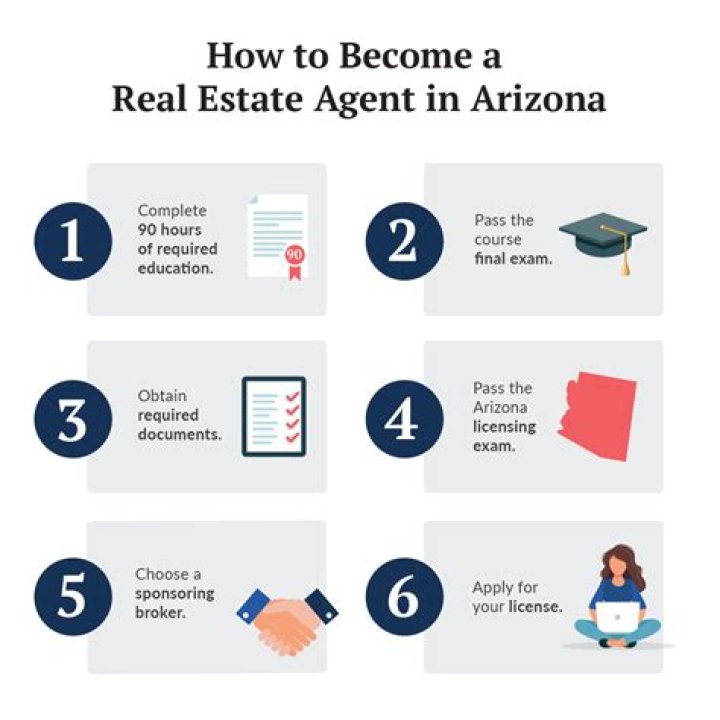
1) Check your state regulations. Because there is no national real estate regulator, each state has different real estate licensing rules. 2) Complete a real estate license preparatory course. To pass the licensing exam, you must first take a real estate course. 3) Passing the state real estate exam. To obtain a license, you must pass the real estate license exam. 4) Apply for a permit. After passing the exam you can apply for a license. 5) Find a broker. Real estate agents generally have to work with an agent who oversees all transactions. Research local brokerage firms and find the one that suits you best. 6) Consider joining the National Association of Realtors. Although they are often used interchangeably, there is a difference between brokers and brokers. 7) Become a broker. If you have gained enough experience, you can become a real estate agent.
What to know before becoming a real estate agent?
To be eligible to become a licensed real estate agent or seller, you must: Be at least 18 or 19 years old (depending on state) Be legally resident in the United States. Complete the required pre-license training (find your state's requirements). Pass the state exam to obtain a real estate permit.
 What are some careers in real estate?
Available careers in real estate. A real estate career can include the financial side of the industry through mortgage brokerage, loan processing, underwriting, credit analysis, foreclosure management, lending and investment finance.
How do co-ops work in real estate transactions
Cooperatives are a situation where the owner owns shares in a company whose only possession is the house. Learn how co-ops work in real estate with the help of an experienced real estate attorney in this free video clip.
 How does a co-op loan work?
These loans work in the same way as mortgages. In addition to the loan payments to the lender, the residents of the cooperative bear a proportionate share of the building's operating and maintenance costs.
 How do co-ops work?
Most co-ops employ professional management companies to oversee these functions. Cooperatives are often confused with voluntary housing cooperatives, where owners live and work together to reduce costs and strengthen a sense of community or a common purpose. In these agreements, the owners can agree to take ■■■■■ responsibility.
What is a co-op apartment?
Cooperative: When you buy a cooperative, you buy shares that entitle you to a piece of the building. The co-op board often has to select you as the new owner and approve the person you are selling to, which can take some time.
What is a housing co-op homeownership?
When you buy a house from a housing corporation, you are not actually buying real estate, but shares in a corporation whose only capital is real estate. The house in which you live belongs to this society, and it does not belong to you any more than any other member.
 Should you invest in a cooperative in the Philippines?
Before investing in a co-op, it is important to fully understand how co-ops work in the Philippines. This way you know whether investing in cooperatives suits your objectives and needs as an investor. These are the basics of collaborative trading that every newbie should know.
 What happens when you buy a co-op apartment?
When a real estate investor buys a co-op, he becomes a shareholder in the company that owns the real estate. As a shareholder, you have the exclusive right to use a particular property.
 Where can I buy a co-op apartment in NYC?
Cooperative housing in New York can be bought on the open market in the same way as buying an apartment in New York. Cooperative properties can be found on any real estate search site or through your buying agent, as can condominiums, townhouses or apartment buildings. In fact, there have always been far more cooperative homes for sale than condominiums.
What is the ratio of co-ops vs condos in NYC?
After the rental ■■■■ of the 1980s, when many rental properties were converted to co-ops, the cooperative-to-apartment ratio in New York City reached 75% co-ops to 25% apartments. Today, most of the new developments are high-end condominiums, so the relationship between condominiums and cooperatives is becoming more balanced.
What is cooperative property ownership in pennsylvania
In the case of real estate cooperatives, the rights of use are transferred to the buyer via transfer of ownership. Since the housing cooperative owns all homes and buildings, it bears the costs of maintenance, repair and replacement. This relieves the member of the cost and burden of this work.
What is a cooperative home ownership?
Housing cooperatives: a unique form of home ownership. Buying a house or renting an apartment are not the only lifestyle options on the market. Housing cooperatives, popularly called cooperatives, offer an alternative to the traditional purchase of a main home.
 What is a real estate co-op?
Real estate cooperatives are formed on the same general theory and principles as other cooperative organizations, such as banks or credit unions, which are owned and operated for the benefit of those using the organization's services.
 Does the co-op owner own the unit?
This means that the owner of the cooperative does not own his share, but owns the shares of the cooperative in proportion to the size and attractiveness of the share. There are three main types of cooperative structures:
What is the difference between a condominium and a cooperative?
The main difference between a condominium and a co-op is that in a co-op, not all owners have full ownership of a specific, identifiable unit. Instead, ownership of the property is in the hands of the cooperative (usually a corporation) and residents own shares in the company.
Cooperative property definition
Co-ownership means home ownership where ownership is evidenced by ownership or membership in a housing association and the rental of the home by that entity to the shareholder, tenant or resident member who becomes the borrower.
 What does a cooperative mean in housing?
Cooperative housing means the co-ownership and management of a unit by those living in a cooperative. The members of the cooperative are in fact their own owners, which makes it possible to build and manage a cooperative community at a very affordable price. The members of the cooperative are satisfied with the choice of housing and share their satisfaction with their friends.
What is the purpose of a cooperative business?
A cooperative is a private business organization owned and controlled by the people who use its products, goods or services. While cooperatives vary in membership type and number, they are all founded to meet specific membership goals and structured to adapt to changing membership needs.
 What is a cooperative in real estate?
Cooperative Cooperative is a form of ownership where the owner buys a share of the company that owns the property. Part ownership gives the landlord the sole right to occupy your apartment, even if they don't actually own the space.
What is cooperative property ownership in ohio
A co-op is a business that comes together to own a building and the surrounding land. Instead of receiving certificates, buyers have stock certificates. Stock certificates are personal property.
What is co-op living?
A housing association or cooperative is a housing option that is in fact a corporation where the owners do not automatically own their apartment. Instead, each resident is a shareholder in the corporation, based in part on the relative size of the unit they live in. Here they take a closer look at cooperative life.
What is cooperative property ownership in california
Californians may not be familiar with "hutches," although these shelters are common in places like New York. Unlike traditional home or condominium ownership, co-op residents do not own the apartment they live in, but instead own a stake in a housing co-op that owns their property jointly. According to Skillman, there are 6,323 chicken coops in Laguna Woods.
What is a a California Cooperative Corporation?
A California co-op is an employee-owned business that is now known as an employee-owned co-op under California law. This new designation was introduced by the California Worker Cooperatives Act of 2021 (AB816).
 Is a co-op considered real property?
Cooperatives are not considered real estate. When you buy a co-op, you become a shareholder in the company that owns the property. As a shareholder, you are entitled to the exclusive use of a unit of ownership. Always read the Articles of Incorporation, Articles of Association, Membership Agreement, Rules, and any other available partnership documents.
What is co-op housing?
Cooperative housing offers an alternative to the traditional purchase of a main home. A housing association or cooperative is a form of housing that is actually a corporation in which the owners do not fully own their home.
What is the difference between a condo and a cooperative?
A condominium is real estate while a cooperative is intangible personal property. 5. The co-owner, like the owner, has to pay tax on the real estate, while in a co-operative the real estate is considered sole and the tax on the pipes is paid by the co-operative, which is distributed among the members.
 What is a cooperative condo?
A cooperative or cooperative is a company that owns a building. As a cooperative owner, you own shares in the company and own a particular unit in a building. Unlike cooperatives, condominiums or condominiums are individually rated properties that are taxed directly by the city.
What is a condominium Coop?
Technically, a condominium is a condominium that is co-owned by a housing association: for example, a large apartment complex with shops, stores, and a public garage across the street.
 What is the difference between a co op and a condo insurance
The main difference between cooperative, home and apartment insurance is which parts of the house you own. When you own a house, you own everything in the house, the structure, and even the land the house sits on. On the other hand, if you own an apartment or share a co-op, you are only responsible for the space within your walls.
What is a co op in a condo?
A condominium is a type of condominium building and not a separate legal building. Kondop, short for condominium and cooperative (or cooperative), is a cooperative within a condominium. Looking back, the apartment owners actually own the property.
 What is the difference between a Hoa and condo association?
Against the HOA Condominium Association. The main difference between a HOA and a HOA is the amount of ownership. In a condominium, each member individually owns his home, but retains co-ownership of the building and grounds.
 What is a condo co op?
A condominium is a private residence in a community-owned apartment complex. A cooperative is also an apartment building, but that's where the similarities end.
 What is the difference between a co op and a condo in jamaica
On the other hand, in a condominium, you own the interior of the apartment, but not the exterior or the ground it is on. In co-ops, your ownership is not determined by the shares of physical property, but by the number of shares you own in the company that owns the property.
 What is the difference between a condo and a co-op?
The Home Owners Association owns the exterior of your apartment and also maintains and repairs the exterior of your walls. Unlike a condominium, a cooperative is not considered real estate. If you buy from a cooperative, it is owned by everyone who lives there.
Is a condominium or co-op the right living option for You?
A condominium or cooperative may be the right housing option for you. Both offer the advantage of not having to worry about the routine maintenance you get at home, but the advantages come with some drawbacks. Co-ops are also somewhat unique when it comes to ownership.
 Is a co-op considered real estate?
Unlike a condominium, a cooperative is not considered real estate. If you buy from a cooperative, it is owned by everyone who lives there. If you own more shares, you own more of the company. Usually it also means that as a cooperative you are entitled to more living space.
 Can I own real estate in a corporation's name?
Owning real estate in the name of a business is not a good idea, both from a tax and liability standpoint. The Double Taxation Ordinary C Corporation is not a pass-through entity. The company's taxable income is first taxed at company level (the company pays tax).
Can a real estate investment company be an S corporation?
Investing in Real Estate An S corporation is not the ideal business structure for owning real estate. Most real estate investors do not manage their investments like any other type of company that sells goods or services. Whether you're buying real estate alone or with someone else, you don't need shareholders in your company.
Should you buy a rental property as a corporation?
It can make sense to buy a rental or vacation rental through a company, but it is often easier and less tax risky than owning a home in person. One of the major tax benefits of Canadian real estate is the ability to apply for an unlimited primary residence exemption to increase the value of the property.
 Can corporations own real estate in Canada?
This is the usual basis for doing business in Canada and is a separate legal entity from the shareholders who file their own tax returns. Businesses can own property, but unlike an individual, a business cannot claim a home exemption.
Should a corporation own real estate or invest
Businesses can own property, but unlike an individual, a business cannot claim a home exemption. This can make it inefficient to use the business to own a home that you could otherwise sell tax-free in the future.
Should I use an S corporation to invest in real estate?
Most people prefer an LLC for real estate investment. But some accountants still recommend that their clients use an S corporation to invest in real estate. LLCs or limited liability companies have become the method of choice for real estate investors. Most states have laws prohibiting the use of limited liability companies or certain.
 Is investing in real estate a good idea for C corporations?
In most cases, C corporations can do this with lower tax rates. While owning real estate can provide investors with a steady stream of income and opportunities to build wealth, it can also create liabilities and involve risks that investors should consider up front.
Should a corporation own real estate or cash
The sale of real estate is a taxable event for a company. Unlike the "apparent sale" mentioned above, an actual sale brings the company cash to pay taxes. If the proceeds of the sale are not distributed to shareholders, there is no shareholder tax (and no money).
 Should a corporation own real estate or sale
Businesses can own property, but unlike an individual, a business cannot claim a home exemption. This can make it inefficient to use the business to own a home that you could otherwise sell tax-free in the future. Some people consider using a real estate rental purchasing company.
 Can a corporation own real estate?
Businesses can own property, but unlike an individual, a business cannot claim a home exemption. This can make it inefficient to use the business to own a home that you could otherwise sell tax-free in the future.
Should I buy a property as an LLC or a trust?
At the community level, LLCs typically offer more anonymity than real estate funds unless you are promoting an LLC. Commercial real estate. If the destination object will have more than one tenant, e.g. B. an apartment building, or will be occupied by commercial tenants, it is advisable to buy them under an LLC.
Can a limited liability company own real estate?
Trusts and limited liability companies or limited liability companies may own real estate for tax relief or to avoid probate proceedings. Some homeowners have dangerous jobs or run their own businesses and don't want to leave their homes vulnerable to lawsuits. The most important parameters are briefly summarized here.
Should a corporation own real estate or stock
As long as your business is legally structured as a taxable entity, such as an S Corp or LLC, you can gain hidden benefits by personally owning the real estate where your business operates and that you rent out. Example: Smith Enterprises, Inc. (SEI), a small manufacturer, has one shareholder, Tom Smith.
Should taxpayers hold real estate in S corporations?
Here are five reasons taxpayers shouldn't own an S corporation: Technically, S corporations can only hold one class of stock for a limited number and type of shareholders.
Can I own real estate in a C-corporation?
Owning assets that appreciate in value on behalf of a company, such as real estate, is not recommended for two reasons: (1) double taxation of income (2) capital gains rates do not apply. All income of category C companies is taxed at the normal corporate tax rates.
 Is owning real estate a good investment?
Owning real estate requires much more capital than buying stocks or investing in equity, such as mutual funds. Real estate is expensive and highly illiquid. Investing in real estate, even raising money, requires a large initial investment.
 Should you buy real estate or stocks to make money?
In general, there are two ways to make money from stocks: equity appreciation and corporate dividends. When you buy real estate, you are buying physical land or real estate.
 Can I hold real estate in a corporation?
However, payment of the accumulated capital gains tax may be deferred at the time of transfer. Businesses may be a suitable structure to own real estate in some situations, but in others the cost and complexity may not be worth it, or even profitable. Tax and legal advice should be considered before purchasing real estate.
Should you put real estate in a corporation?
Take, for example, a client who is considering what type of business he should use to own a property. For most tax professionals, this would provoke a Pavolian response: "Never invest real estate in a company." And while there are very few NEVER's in the tax world, this one is very accurate.
Can you get real estate out of a C corporation?
Take ownership of C companies. Owners can own C companies because they want to predict their liability. It is also possible that the business was inherited by a family member and already owns the property.
 Can I hold real estate in an S corporation?
To take advantage of real estate transfer taxes and avoid the risks of individual liability and double taxation of corporate income, it may seem practical to own a company that wants to be treated as an S corporation. This is not the case.
Stock cooperative real estate
A limited liability company is a development company whose development is owned by a corporation. Ownership of shares in this company entitles the shareholder to have sole ownership of a unit in the development.
 Who owns the building in a co-op?
Instead, the building is owned by a not-for-profit cooperative and each resident formally purchases shares in it.
 Can you sell co-op shares in the open market?
Some cooperative owners are allowed to sell their cooperative shares on the open market at the local cooperative market price. Co-ops can be cheaper than apartments because they work on a paid basis and collect money from residents to pay the costs.
Is co-op real estate a form of real estate?
In a sense, cooperative real estate is not a form of real estate at all. Other factors can affect the number of units (and thus the initial cost) when purchasing a co-op property, such as:
What is a co-op?
In a cooperative, the residents do not actually own their home or property. Instead, the building is owned by a not-for-profit cooperative and each resident formally purchases shares in it.
 Who is responsible for repairs in a co-op?
The good news, however, is that the building is usually responsible for maintenance and repairs. So, for example, if your dishwasher breaks, the cooperative's board of directors will probably take care of it. Cooperatives are governed by a cooperative board, which usually consists of residents.
Cooperative real estate community
A "housing cooperative" (or "cooperative") is the legal term for a housing unit typically owned and controlled by a group of individuals who have equal shares, membership and/or residency rights in a housing association.
What is a cooperative form of ownership?
A cooperative is another form of entrepreneurship. The cooperative organizational form is based on the philosophy of mutual aid and mutual aid. It is different from the other three forms of entrepreneurship. The main difference is that the purpose of a cooperative is to provide services, not to make a profit.
 What does co op mean in real estate?
hello barbara. A cooperative is a term that means that a seller does business with a real estate agent when, in the case of a sale by the owner, that real estate agent hires a qualified buyer to buy the seller's home. It is also used when the seller puts the property through an agent and another agent brings the buyer and the buyer buys the house.
What is co op in real estate?
Cooperatives or cooperative housing are a type of real estate agreement that is similar to buying an apartment or a house, except that you do not actually own your home. In this type of real estate transaction, the cooperative group owns the real estate and you acquire a portion of the real estate.
What is co op ownership?
Coop Owners for Political Action is an impartial political action committee that empowers consumers who are members of electric co-ops to have a voice on issues affecting their co-op and their communities.
What is a limited-equity co-op?
Limited stock co-ops limit the profit a shareholder can make from the sale of their share in the co-op, while equity or zero-equity co-ops do not allow capital accumulation at all, meaning shareholders cannot sell more than the purchase price.