Can You Take Tylenol with Claritin?
Can you take Tylenol with Claritin? There is no interaction between Claritin and Tylenol. But, it doesn’t mean that there is no interaction. You should consult with your doctor before taking any combination of medical drugs.
 What Is Claritin?
Claritin (loratadine) is an antihistamine used to treat allergy symptoms. Therefore, Claritin blocks the action of histamine, a substance in the body that initiates allergic symptoms like itching, sneezing, runny nose, and allergic skin rashes. Additionally, Claritin is available as a generic drug.
Currently displaying a list of 78 drugs that interact with Claritin (loratadine).
68 moderate drug interactions
10 minor drug interactions
Return to the list of commonly checked interactions in combination with this medicine.
 Medications known to interact with Claritin (loratadine)
Note: Showing generic names only.
A
Abametapir Topical
Amiodarone
Apalutamide
Armodafinil
B
Boceprevir* Bosentan
Brigatinib
C
Candida Albicans Extract
Celecoxib* Clarithromycin
Coccidioidin Skin Test
Conivaptan
D
Darunavir
Dasatinib
Deferasirox* Diltiazem
Dronedarone
Duvelisib
E
Echinacea
Efavirenz
Enzalutamide* Erythromycin
Etravirine
F
Fedratinib* Fluconazole
Fluvoxamine
Fostamatinib
G
- Glycerol Phenylbutyrate* Grepafloxacin
H
Histamine Phosphate* Histoplasmin
Hyaluronidase
I
Idelalisib* Imatinib
Isavuconazonium
Itraconazole
Ivacaftor
K
- Ketoconazole
L
Larotrectinib
Lefamulin* Letermovir
Lonafarnib
Lorlatinib
M
Miconazole
Mifepristone* Modafinil
Mumps Skin Test Antigen
N
Nefazodone* Nelfinavir
Nevirapine
O
- Oxcarbazepine
P
- Pitolisant
R
Ribociclib
Rifapentine* Ritonavir
Rucaparib
Rufinamide
S
Saquinavir
Selpercatinib
Sirolimus
Skin Test Antigens, Multiple
Sodium Iodide I-123* Sodium Iodide-I-131
Somapacitan-Beco
Somatrem
Somatropin
Sotorasib
T
Tacrolimus* Telaprevir
Telotristat
Temsirolimus
Terbinafine
Trichophyton Skin Test
Troglitazone
Troleandomycin
Tuberculin Purified Protein Derivative
Tucatinib
V
- Voriconazole
 What Are the Possible Side Effects of Claritin?
Common side effects of Claritin include:
Headache
Sleepiness
Feeling Tired
Drowsiness
Fatigue
Nervousness
Stomach Pain
Diarrhea
Dry Mouth
Sore Throat
Hoarseness
Eye Redness
Blurred Vision
Nosebleed
Skin Rash
Tell your doctor if you experience serious side effects of Claritin, including fast or uneven heart rate, feeling like you might pass out, jaundice (yellowing of your skin or eyes), or seizures (convulsions).
 What Drugs Interact with Claritin?
Claritin may interact with certain antibiotics, antifungal medications, acid-reducing drugs.
 How Should Claritin Be Taken?
Claritin is available as a 10 mg tablet, a 5 or 10 mg rapidly-disintegrating tablet, a 10 mg chewable tablet, and a syrup (5 mg per 5 ml). Thus, Claritin is taken once a day.
Firstly, drug interactions may occur with certain antibiotics, antifungal medications, and acid-reducing drugs. Secondly, warnings may apply to individuals with asthma, kidney disease, or liver disease. At last, people who have phenylketonuria (PKU) should avoid certain brands of mouth disintegrating tablets that may contain aspartame.
Therefore, Claritin should not be used in children younger than 6 years unless directed by a doctor. However, chewable tablets should not be used in children younger than 2 years unless directed by a pediatric doctor.
Summary
Firstly, Claritin is generally avoided during pregnancy and nursing. Pregnant women may take Claritin only if it is needed. Secondly, nursing mothers should consult their doctor before feeding milk.
 What Is Claritin D and How Is It Used?
Claritin D (loratadine and pseudoephedrine) is a combination of Antihistamine and decongestant used to treat allergies, nasal congestion, and sinus pressure. Additionally, Claritin D is available over-the-counter and in generic versions.
Claritin D is a prescription medicine used to treat the symptoms of seasonal allergies causing sneezing, runny or stuffy nose, as well as nasal congestion.
Claritin D may be used alone or with other medications.
Claritin D belongs to a class of drugs called Antihistamine/Decongestant Combos.
It is unknown if Claritin D is safe and effective in children younger than 12 years.
 What Are the Possible Side Effects of Claritin D?
Claritin D may cause serious side effects, including:
Pounding Heartbeats
Fluttering in Your Chest
Severe Dizziness
Nervousness
Restless Feeling
Get medical help right away if you have any of the symptoms listed above. Therefore, the most common side effects of Claritin D include:
Dizziness
Drowsiness
Palpitations
Dry Mouth
Headache
Fatigue
Nausea
Stomach Pain
Constipation
Loss of Appetit
Stomach Upset
Nervousness
Sleep Problems
Sore Throat
Blurred Vision
Flushing
Restlessness or Excitability
Skin Rash or Itching
Problems with Memory or Concentration
Ringing in Your Ears
Tell the doctor if you have any side effect that bothers you or does not go away.
Summary
These are not all the possible side effects of Claritin D. For more information, ask your doctor or pharmacist. Therefpre, call your doctor for medical advice about side effects. You may report side effects to FDA at 1-800-FDA-1088.
 Everything You Need To Know Before Using Claritin
Claritin-D 12-hour extended-release tablets contain 5 mg loratadine in the tablet coating for immediate release and 120 mg pseudoephedrine sulfate equally distributed between the tablet coating for immediate release and the barrier-coated extended-release core.
The inactive ingredients are acacia, butylparaben, calcium sulfate, carnauba wax, and corn starch, lactose, magnesium stearate, microcrystalline cellulose, neutral soap, oleic acid, povidone, rosin, sugar, talc, titanium dioxide, white wax, and zein.
The inactive ingredients for oval, biconvex Claritin-D 24-hour extended-release tablets are calcium, phosphate, carnauba wax, ethylcellulose, hydroxypropyl methylcellulose, magnesium stearate, polyethylene glycol, povidone, silicon dioxide, sugar, titanium dioxide, and white wax.
Loratadine is a long-acting antihistamine having the empirical formula C22H23ClN2O2; the chemical name ethyl 4-(8-chloro-5,6-dihydro-11H-benzo[5,6]cyclohepta[1,2-b]pyridin-11-ylidene)-1-piperidinecarboxylate.
However, the molecular weight of loratadine is 382.89. Additionally, it is a white to off-white powder, not soluble in water but very soluble in acetone, alcohol, and chloroform.
Pseudoephedrine sulfate is the synthetic salt of one of the naturally occurring dextrorotatory diastereomers of ephedrine and is classified as an indirect sympathomimetic amine.
The empirical formula for pseudoephedrine sulfate is (C10H15NO)2H2SO4; the chemical name is benzene methanol sulfate (2:1)(salt). Therefore, the molecular weight of pseudoephedrine sulfate is 428.54. Additionally, it is a white powder, freely soluble in water and methanol and sparingly soluble in chloroform.
Keep in mind: Claritin-D 24-hour extended-release tablets contain 10 mg loratadine in the tablet film coating for immediate release and 240 mg pseudoephedrine sulfate in the tablet core which is released slowly allowing for once-daily administration.
 Are Claritin and Claritin D the Same Thing?
Claritin D (loratadine and pseudoephedrine) and Claritin (loratadine) are antihistamines used to treat allergy symptoms. Claritin blocks the action of histamine, a substance in the body that initiates allergic symptoms like itching, sneezing, runny nose, and allergic skin rashes.
Firstly, Claritin D (loratadine and pseudoephedrine) is an antihistamine used to treat allergy symptoms. Secondly, Claritin D blocks the action of histamine, a substance in the body that initiates allergic symptoms like itching, sneezing, runny nose, and allergic skin rashes. Claritin D is available as a generic drug.
Therefore, a difference is that Claritin D contains a decongestant and is also used to treat nasal congestion and sinus pressure. Additionally, both Claritin D and Claritin are available in over-the-counter (OTC) and generic versions.
 Main Differences Between Claritin and Claritin-D
| Drug class | Antihistamine (second generation) | Antihistamine (second generation) and decongestant |
| Brand/generic status | Brand and generic version available | Brand and generic version available |
| What is the generic name? | Loratadine | Loratadine/Pseudoephedrine |
| What form(s) does the drug come in? | Capsule Tablet Solution Syrup | Tablet, extended-release |
| What is the standard dosage? | 10 mg once daily | – 5 mg loratadine/120 mg pseudoephedrine once every 12 hours – 10 mg loratadine/240 pseudoephedrine once daily |
| How long is the typical treatment? | Short-term or long-term use as directed by a doctor | Short-term or long-term use as directed by a doctor |
| Who typically uses the medication? | Adults and children 2 years and older | Adults and children 12 years and older |
 How Should Claritin D Be Taken?
Claritin D is available in 12-hour and 24-hour dosing. Do not use it if you are taking an MAOI or have taken it in the past 2 weeks. Patients should not use Claritin D with severe high blood pressure (hypertension), glaucoma, or severe coronary artery disease without physician supervision.
Claritin D may interact with other medicines that can cause drowsiness (cold or allergy medicine, sedatives, pain medicines, sleeping pills, muscle relaxers, and medicines for seizures, depression, or anxiety), blood pressure medications, diuretics (water pills), medications to treat irritable bowel syndrome, bladder or urinary medications, aspirin or salicylates.
 What is Tylenol?
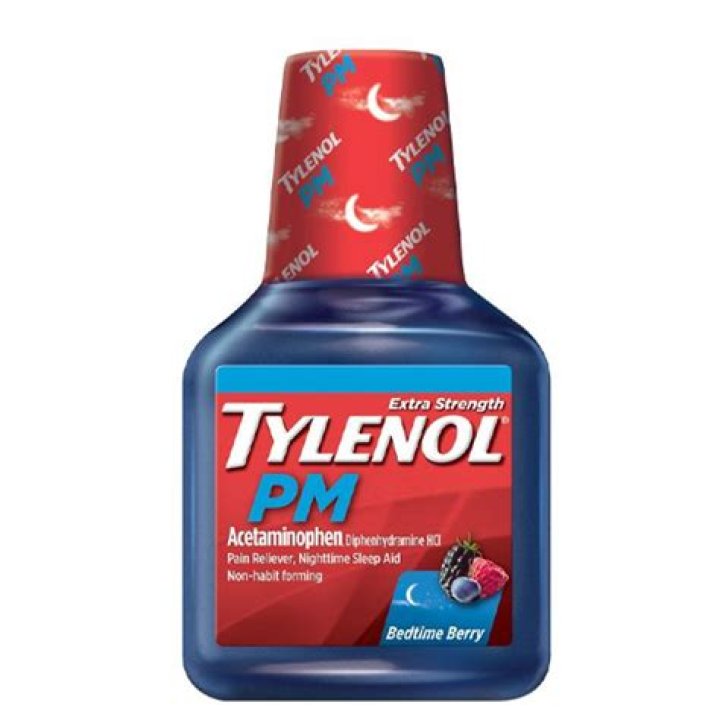
Tylenol (acetaminophen) is a pain reliever and a fever reducer. Tylenol is used to treat many conditions such as headache, muscle aches, arthritis, backache, toothaches, sore throats, colds, flu, and fevers. Additionally, Tylenol may also be used for purposes not listed in this medication guide.
 How to use Tylenol?
Take this product by mouth as directed. Follow all directions on the product package. If you have any questions, ask your doctor or pharmacist.
There are many brands and forms of acetaminophen available. Read the dosing instructions carefully for each product because the amount of acetaminophen may differ between products. Thus, do not take more acetaminophen than recommended.
If you are giving acetaminophen to a child, be sure you use a product meant for children. Use your child’s weight to find the right dose on the product package. If you don’t know your child’s weight, you can use their age.
For suspensions, shake the medication well before each dose. Some liquids do not need to be shaken before use. Additionally, follow all directions on the product package. Measure the liquid medication with the provided dose-measuring spoon/dropper/syringe to ensure you have the correct dose. At last, do not use a household spoon.
For rapidly-dissolving tablets, chew or allow to dissolve on the tongue, then swallow with or without water. For chewable tablets, chew thoroughly before swallowing.
Do not crush or chew extended-release tablets. Doing so can release all of the drugs at once, increasing the risk of side effects. Also, do not split the tablets unless they have a score line and your doctor or pharmacist tells you to do so. Thus, swallow the whole or split tablet without crushing or chewing.
For effervescent tablets, dissolve the dose in the recommended amount of water, then drink.
Pain medications work best if used as the first signs of pain occur. If you wait until the symptoms have worsened, the medication may not work as well.
Do not take this medication for fever for more than 3 days unless directed by your doctor. For adults, do not take this product for pain for more than 10 days (5 days in children) unless directed by your doctor. However, if the child has a sore throat (especially with a high fever, headache, or nausea/vomiting), consult the doctor promptly.
Tell your doctor if your condition persists or worsens or if you develop new symptoms. If you think you may have a serious medical problem, get medical help.
 Do’s & Dont’s Before Taking This Medicine
You should not take Tylenol if you are allergic to acetaminophen or if you have severe liver disease.
Do not take acetaminophen without a doctor’s advice if you have ever had alcoholic liver disease (cirrhosis) or if you drink more than 3 alcoholics beverages per day. Therefore, you may not be able to take Tylenol.
Your doctor will determine whether Tylenol is safe for you to use during pregnancy. Do not use this medicine without your doctor’s advice if you are pregnant.
Acetaminophen can pass into milk and may harm a nursing baby. Additionally, ask a doctor before using this medicine if you are feeding.
Do not give this medicine to a child younger than 2 years old without the advice of a doctor.
 How should I take Tylenol?
Use Tylenol exactly as directed on the label or as prescribed by your doctor. Do not use in larger or smaller amounts or for longer than recommended.
Do not take more than your recommended dose. An overdose of acetaminophen can damage your liver or cause death.
Adults and teenagers who weigh at least 110 pounds (50 kilograms): Do not take more than 1000 milligrams (mg) at one time. Do not take more than 4000 mg in 24 hours.
Children younger than 12 years old: Do not take more than 5 doses of acetaminophen in 24 hours. Use only the number of milligrams per dose recommended for the child’s weight and age. Use exactly as directed on the label.
Avoid using other medicines containing acetaminophen, or you could have a fatal overdose.
If treating a child, use a pediatric form of Tylenol. Use only the special dose-measuring dropper or syringe with the specific pediatric form you are using. Ask your pharmacist for one if you do not have a dose-measuring device. Carefully follow the dosing directions on the medicine label.
Children’s Tylenol Dissolve powder should be placed directly on the tongue and swallowed. Stop taking Tylenol and call your doctor if you have:
Sore throat after 2 days of use;
Fever after 3 days of use;
Pain after 7 days of use (or 5 days if treating a child);
Skin rash, ongoing headache, nausea, vomiting, or any redness or swelling; or
Symptoms get worse, or if you have any new symptoms.
This medication can cause unusual results with certain lab tests for glucose (sugar) in the urine. Tell any doctor who treats you that you are using Tylenol. Store at room temperature away from heat and moisture.
 Tylenol Side Effects
Get emergency medical help if you have any signs of an allergic reaction to Tylenol: hives; difficulty breathing; swelling of your face, lips, tongue, or throat. In rare cases, Tylenol may cause a severe skin reaction that can be fatal. This could occur even if you have taken acetaminophen in the past and had no reaction.
Stop taking this medicine and call your doctor right away if you have skin redness or a rash that spreads and causes blistering and peeling. If you have this type of reaction, you should never again take any acetaminophen medicine.
Stop taking this medication and call your doctor at once if you have:
Nausea, upper stomach pain, itching, loss of appetite;
Dark urine, clay-colored stools; or
Jaundice (yellowing of the skin or eyes).
This is not a complete list of side effects, and others may occur. Call your doctor for medical advice about side effects. You may report side effects to FDA at 1-800-FDA-1088.
 What Other Drugs Will Affect Tylenol?
Other drugs may interact with acetaminophen, including prescription and over-the-counter medicines, vitamins, and herbal products. Tell each of your health care providers about all medicines you use now and any medicine you start or stop using.
Currently displaying a list of 116 drugs known to interact with Tylenol (acetaminophen).
8 major drug interactions
73 moderate drug interactions
35 minor drug interactions
Medications are known to interact with Tylenol (acetaminophen)
Note: Showing generic names only.
A
Amobarbital
Anagrelide
Anisindione
Apalutamide
Asparaginase Erwinia Chrysanthemi
Asparaginase Escherichia Coli
Atropine
B
Bedaquiline
Belladonna
Benoxinate Ophthalmic
Benzocaine Topical
Benztropine
Biperiden
Black Cohosh
Brentuximab
Busulfan
Butabarbital
Butalbital
C
Calaspargase Pegol
Cannabidiol
Carbamazepine
Ceritinib
Charcoal
Cholestyramine
Cimetidine
Clidinium
Clofarabine
D
Daclizumab
Dapsone
Dapsone Topical
Darifenacin
Deferasirox
Dibucaine Topical
Dicumarol
Dicyclomine
Diflunisal
E
Echinacea
Efavirenz
Epirubicin
Ethanol
Ethinyl Estradiol
Ethotoin
F
Fenofibrate
Fenoldopam
Flavoxate
Fosphenytoin
G
Givosiran
Glycerol Phenylbutyrate
Glycopyrrolate
H
Hydroxyprogesterone
Hyoscyamine
I
Idelalisib
Imatinib
Interferon Beta-1a
Interferon Beta-1b
Isoniazid
L
Leflunomide
Lidocaine Ophthalmic
Lidocaine Topical
Liraglutide
Lomitapide
Lorlatinib
M
Mepenzolate
Mephenytoin
Mephobarbital
Methohexital
Methotrexate
Methscopolamine
Metoclopramide
Mipomersen
N
- Naltrexone
O
Ospemifene
Oxazepam
Oxybutynin
P
Pegaspargase
Peginterferon Beta-1a
Pentobarbital
Pexidartinib
Phenobarbital
Phenytoin
Pitolisant
Pneumococcal 13-Valent Vaccine
Pneumococcal 7-Valent Vaccine
Prilocaine
Primidone
Probenecid
Procyclidine
Propantheline
Proparacaine Ophthalmic
Propranolol
R
Ranitidine
Ranitidine Bismuth Citrate
Remdesivir
Rifampin
Rucaparib
S
Scopolamine
Secobarbital
Sodium Nitrite
Sodium Salicylate
Solifenacin
Sulfinpyrazone
T
Tafamidis
Teriflunomide
Tetracaine Ophthalmic
Tetracaine Topical
Thioguanine
Thiopental
Tolterodine
Trabectedin
Trihexyphenidyl
Trospium
V
- Vemurafenib
W
- Warfarin
Z
- Zidovudine
Note: You may need to shake the liquid before each use. Follow the directions on the medicine label. The Tylenol Meltaways chewable tablet must be chewed thoroughly before you swallow it. The tablet will soften in the mouth for ease of chewing.
Frequently Asked Questions - FAQs
People asked many questions about taking Tylenol with Claritin. We discussed a few of them below:
1 - Can I take Claritin 24 hours with Tylenol?
No interactions were found between Claritin-D 24 Hours and Tylenol Cold & Cough Daytime. This does not necessarily mean no interactions exist. Always consult your healthcare provider.
2 - Can you take a pain reliever with Claritin?
No interactions were found between Claritin and ibuprofen. This does not necessarily mean no interactions exist. Always consult your healthcare provider.
3 - Can I take anything else with Claritin?
According to Dr. Susan Besser, a primary care provider at Mercy Medical Center in Baltimore, Maryland, most allergy medicines should not be combined. "You should not take multiple antihistamines together, such as Benadryl, Claritin, Zyrtec, Allegra, or Xyzal.
4 - Is Claritin-D 12 Hours or 24 hours?
Claritin-D 24 Hour has efficacy comparable to Claritin-D 12 Hours in relieving allergic rhinitis symptoms while producing significantly less insomnia.
5 - Does Claritin-D keep you awake at night?
Drowsiness is a potential side effect of Claritin-D. However, for some people, it may cause insomnia or trouble sleeping. However, this is because Claritin-D contains pseudoephedrine—a decongestant that has stimulant effects.
6 - Is it better to take Claritin in the morning or evening?
So taking your 24-hour allergy medications before going to bed means getting the maximum effect when you need it the most. “Taking your allergy medication at night assures that it will be circulating in your bloodstream when you most need it, early the next morning,” Martin says in a news release.
7 - Which works faster, Claritin or Zyrtec?
Zyrtec and Claritin are effective for about 24 hours. A person should only take one dose per day. However, the body absorbs both antihistamines quickly, but Zyrtec seems to work faster for some people. A 2014 study found that both drugs were absorbed into the bloodstream within 1–2 hours of taking the medication.
8 - Can you take Claritin with high blood pressure meds?
For allergy sufferers with heart disease, medicines such as Allegra, Zyrtec or Claritin should be safe. However, medicines containing decongestants — including Allegra-D, Zyrtec-D, and Claritin-D — could increase your blood pressure and heart rate or interfere with your heart medication.
9 - What is the best time of day to take Claritin?
The bottom line: During the times of the year when Will suffers from seasonal allergies, a Claritin every morning is a good idea. However, he can take it before he puts his breakfast dishes in the washer. Prescott, a physician and medical researcher is president of the Oklahoma Medical Research Foundation.
10 - How many days in a row can you take Claritin D?
Claritin-D and Zyrtec-D contain an antihistamine, such as Claritin or Zyrtec, and a decongestant like Sudafed. Therefore, these antihistamines are non-drowsy and can be used safely once or twice a day.
11 - What are the most common uses of Claritin?
Allergy sufferers often turn to Claritin (loratadine), an antihistamine. A chemical in the body known as histamine causes allergic reactions such as itchiness, sneezing, runny nose, allergic skin rashes, is blocked by Claritin.
12 - How many Claritin can you take in a day?
Adults and children over six should take one tablet (10 mg) once daily by mouth. However, you should not take more than one pill in 24 hours Children between the ages of 2 and 6 can take Claritin (loratadine) in a liquid form.
13 - What is the difference between Zyrtec and Claritin?
Cetirizine hydrochloride, often known as cetirizine HCL, is in Zyrtec, while loratadine is in Claritin. Second-generation antihistamines include Zyrtec and Claritin. Compared to first-generation antihistamines, they are less likely to cause drowsiness or impair alertness.
14 - Is Tylenol the same as ibuprofen?
Is acetaminophen the same as ibuprofen? No. The drug acetaminophen, marketed under the trade name Tylenol, is authorized by the FDA to treat pain and a high temperature. Therefore, Advil and Motrin are two popular brand names for ibuprofen, which is authorized to treat pain, fever, and inflammation.
15 - What is the purpose of Tylenol?
Pain from headaches, muscular pains, menstrual periods, colds, and sore throats; toothaches, backaches; and responses to vaccines are all relieved by acetaminophen, which is also used to lower fever.
Conclusion
At last, Claritin (loratadine) is an antihistamine used to treat allergy symptoms, while Tylenol (acetaminophen) is a pain reliever and a fever reducer. No interactions were found between Claritin and Tylenol. However, this does not necessarily mean no interactions exist. Thus, you should not use acetaminophen unless you are allergic to it or take other acetaminophen drugs. In end, consult a doctor or pharmacist if you have had liver cirrhosis or drink alcohol regularly.