Bottom Of Pool Is Slippery
Why is my pool cover so slippery?
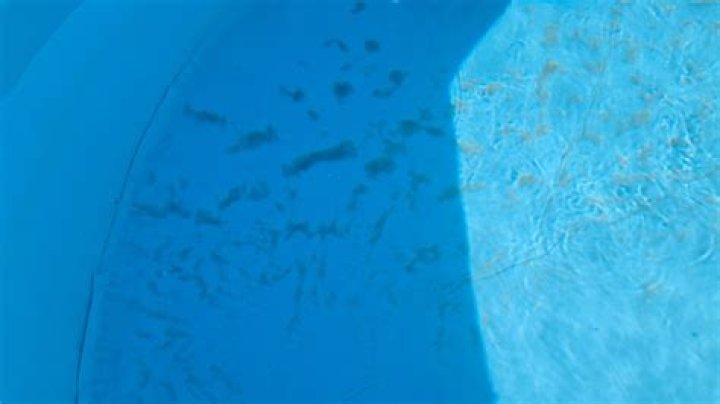
Limescale deposits on old covers provide better grip underfoot, which can increase the difference in grip between an old and new cover. Algae are the most common cause of slipping. A thin layer of algae on the surface of the pool is not clearly visible to the eye, but it is very slippery.
Are you coming out of a slippery pool?
Use a pool net to lather up leaves, ■■■■ insects, and debris from the pool surface. This prevents them from falling and settling in the mud at the bottom, where they can rot and grow more algae and bacteria. Soap the pool at least once a day to keep it clean.
Also, you may be wondering if it is safe to swim in a slimy pool?
Swimmers who enter an algae pool will often find their skin going slimy. This is the result of the adhesion of the algae to the body and the swimsuit. While not dangerous, it can be aesthetically unsatisfactory and potentially frightening for children.
What can I use to clean my pool?
Mix some bleach and water. Use a spray bottle or small garden sprayer to apply the bleach to the liner. Let the detergent dry on the cover so the stains can be removed. You can clean the stains on the liner while the pool is full by using the cleaner above the waterline.
What are the white things at the bottom of my pool?
If your flakes have melted, it means that the white flakes are due to white mold, if not, to lime. Biofilm essentially refers to a colony of bacteria living in your pool. In addition to white flakes of white mold, a sign of biofilm is cloudy water or a bad smell emanating from the water.
How do I remove algae from the bottom of a swimming pool?
Method 1 Kill green algae with chlorine
How can I prevent my inflatable pool from thinning?
Purifying pint
What causes mustard algae in swimming pools?
It is a member of a microbial family known as xanthophytes. These algae are chlorine resistant and more durable than an Amway supplier in a stationary lift. Mustard algae often stick to pool walls and other objects which is a problem as it can survive outside the pool.
Why is my pool green on the sides?
GREEN POOL ALGA
How much algae control should I add to my pool?
Does bleach damage the pool liner?
Solid bleach poured directly onto the liner can damage the liner if done thick enough. However, if you add the bleach correctly, i.e. pour it slowly to get a backwash while the pump is running, that won’t be a problem.
How do I remove brown spots from the pool?
DETERMINE IF THE STAIN IS MINERAL OR ORGANIC
Can you use a magic eraser on the pool liner?
But if you really scrub a vinyl liner with a magic eraser, it can visibly scratch the liner. Streaks are often better than stain, but they tend to change their appearance.
Can a vinyl pool be washed under high pressure?
Only Paris plaster, faded aggregates or concrete pools are tough enough to withstand the power of a pressure washer. Any other type of pool, such as vinyl or fiberglass, must be cleaned using chemical treatments or non-abrasive methods.
Why is my pool ladder turning brown?
How do you clean a swimming pool that has not been used for several months?
If the material is fiberglass or vinyl, you can use a pressure washer and mild soap to clean it. With a leaf shovel and a blade net, you can remove nearly ninety-nine percent of organic waste. Try until the web is clean. Treat the water to balance the alkalinity, pH and stabilizer.
How do you clean a very dirty above ground pool?
Take a brush and scrub all sides and bottom to loosen any ■■■■ / dying algae. So aspire, aspire. If the water looks cleaner (you still can’t see the bottom), take a sample from your pool for analysis.
How long can you swim after adding algaecides?
15 minutes
What happens when you swim in an algae pool?
Slippery algae can trip over swimmers, which can lead to cuts, bruises, bumps, and even breaks. Try not to swim in an algae-covered pool, especially to avoid accidental falls.
How long after the shock bath can I add Algecid?
When should I use Algecid?
The algaecide should be added to the pool water every week. Avoiding algae is the key to having fun in the pool. Anti-algae serve as a supplement to your normal hygiene program and prevent algae from growing and growing in the pool. The algaecide must be added after each shock treatment.